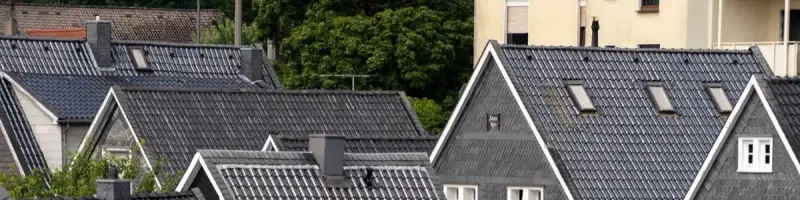
Vallejo Roof Pros: Roof Replacement, Valley & Dormer Leak Repair
Expert residential and commercial roofing services. Free inspection on the roof and in the attic, photographs of what we find, and a written quote across Vallejo and the North Bay.
Licensed and insured California roofing contractor·Free inspection on the roof and in the attic·Itemized quotes with unit prices, not allowances·Written workmanship warranty on every job
Vallejo Roof Pros is a licensed, insured roofing contractor handling roof replacement, roof leak repair, storm damage repair and commercial roofing throughout Vallejo, California. We install architectural laminate shingles, twenty-four-gauge standing seam metal, lightweight and clay tile, and single-ply TPO and EPDM membrane on the low-slope additions behind older houses. Repairs, reroofs and new decking, on houses framed a century apart.
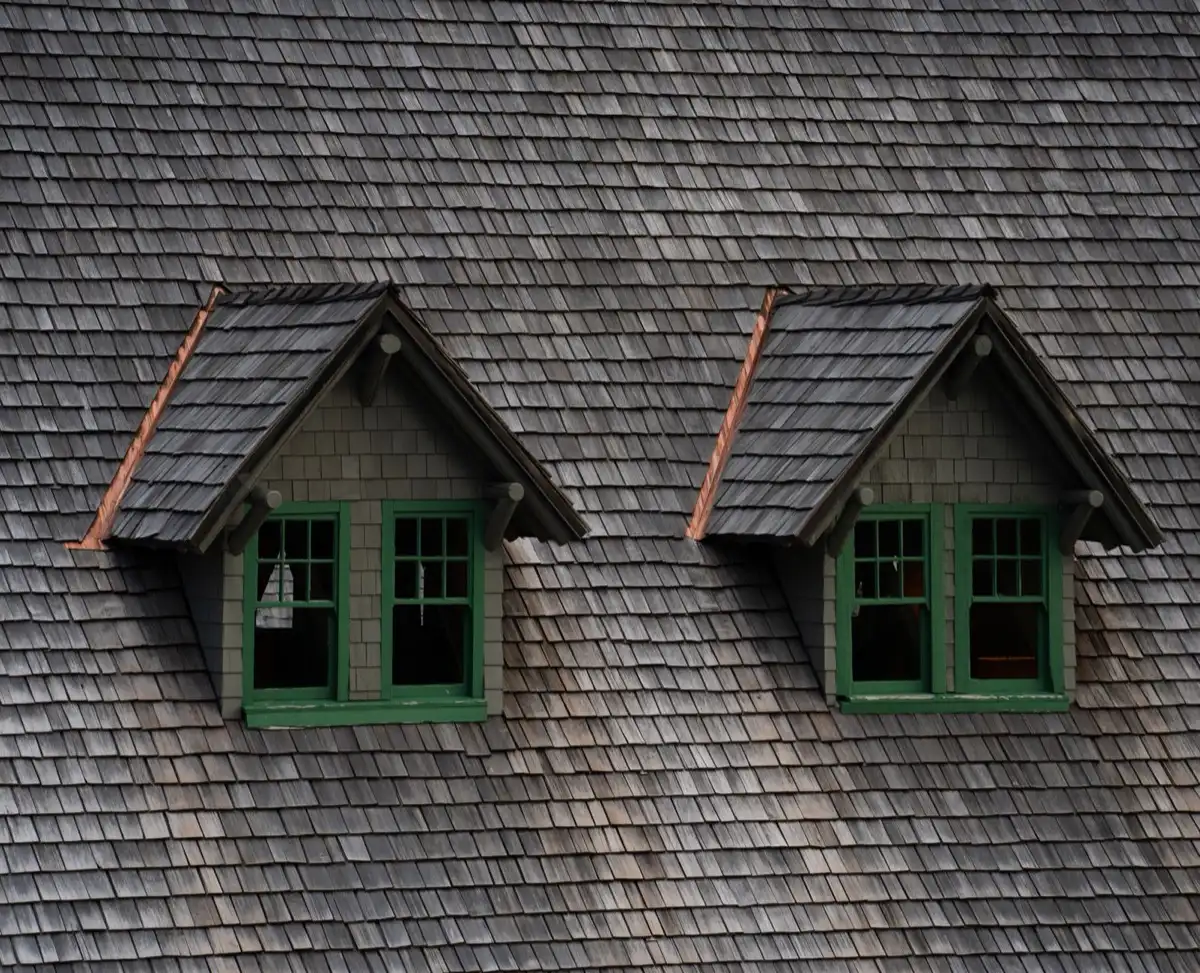
Most of the housing we roof was framed for wood shingle: two-by-four rafters, one-by skip sheathing, and steep planes broken up by valleys, dormers and hip lines. That geometry is where both the labor and the leaks live. So our estimates count transitions and planes, valley metal, step and counter flashing, kickout flashing and crickets, instead of pricing square footage and hoping for the best.
Residential and commercial work, both. Tear-offs and reroofs, valley and dormer leak repair, chimney flashing and masonry, gutters and downspouts, fascia and cornice carpentry, attic ventilation, skylights, roof inspections, and low-slope re-covers behind a parapet. Every quote is itemized with unit prices for rotten sheathing, and every job carries a written workmanship warranty alongside the manufacturer's.
Our Roofing Services in Vallejo, CA
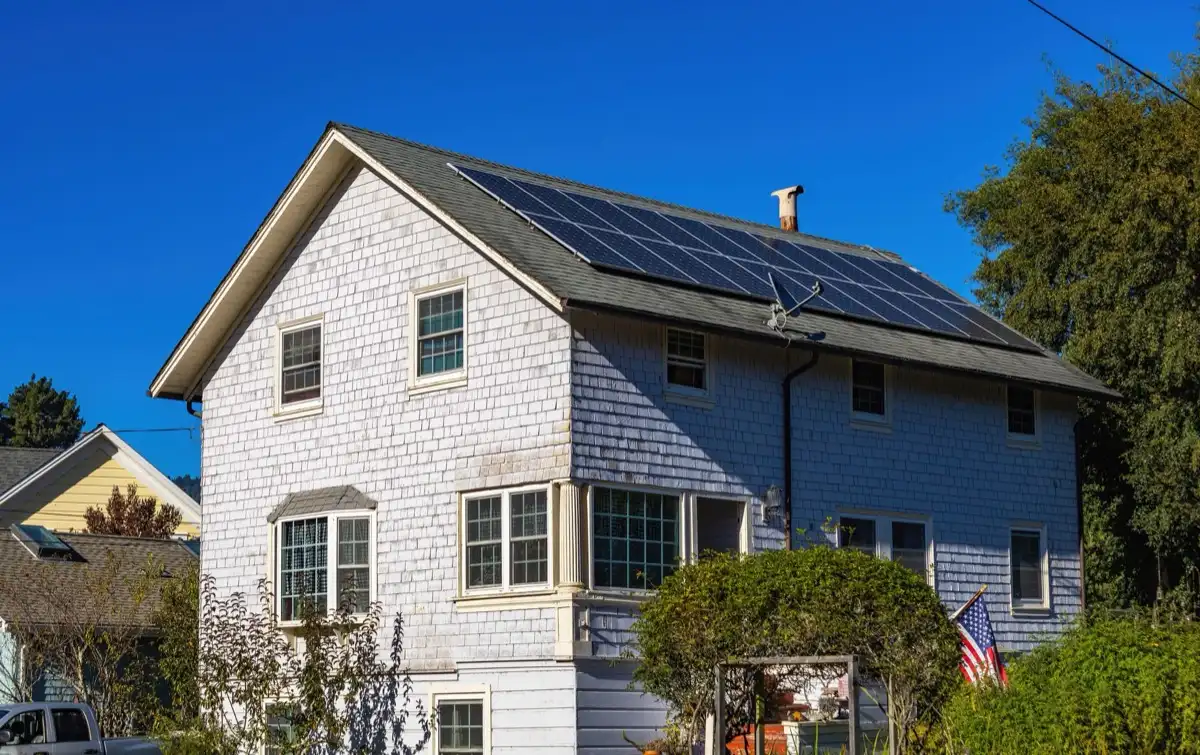
Full Roof Replacement
Tearing off a Vallejo roof usually means finding out what the last three crews did. Original skip sheathing, a wood shingle layer, a composition layer over that, and a rear addition whose roof dies into a wall.
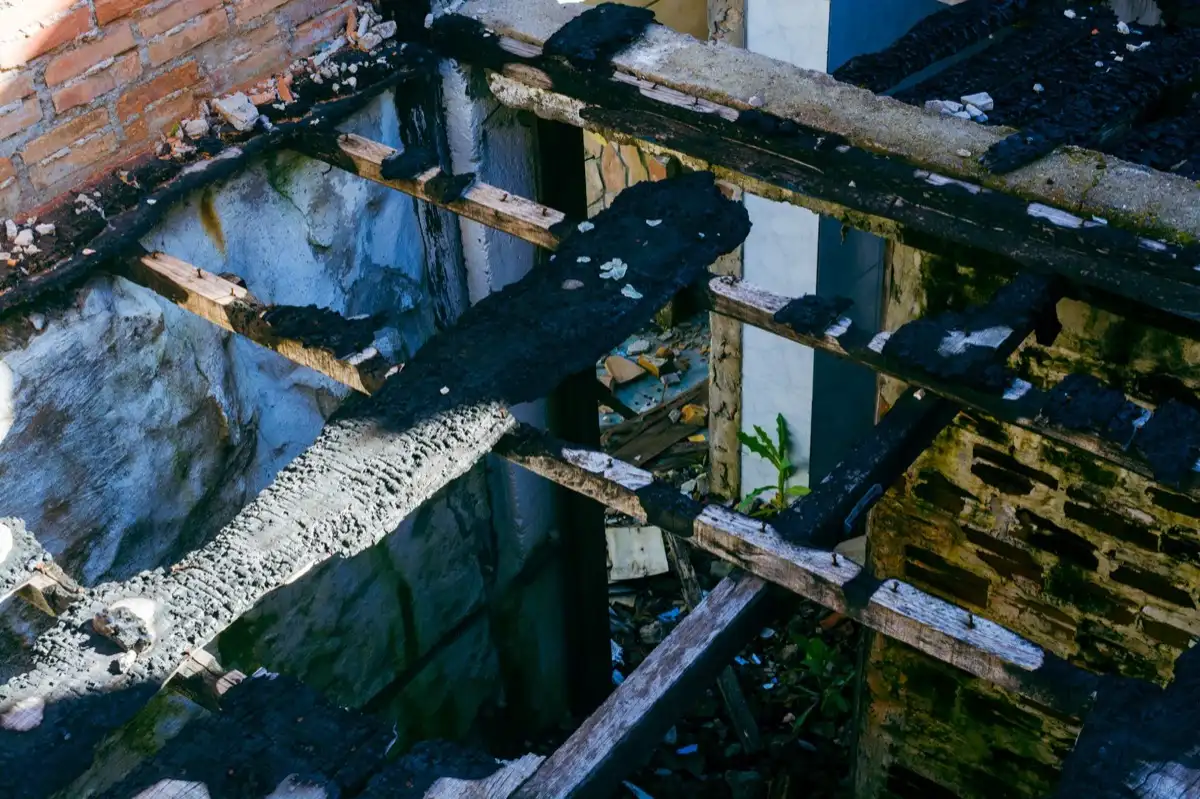
Roof Leak Repair
Nearly every leak we chase in Vallejo lands in one of four places: a valley, a dormer cheek, the chimney, or a dead valley behind an addition. Field shingles fail last.
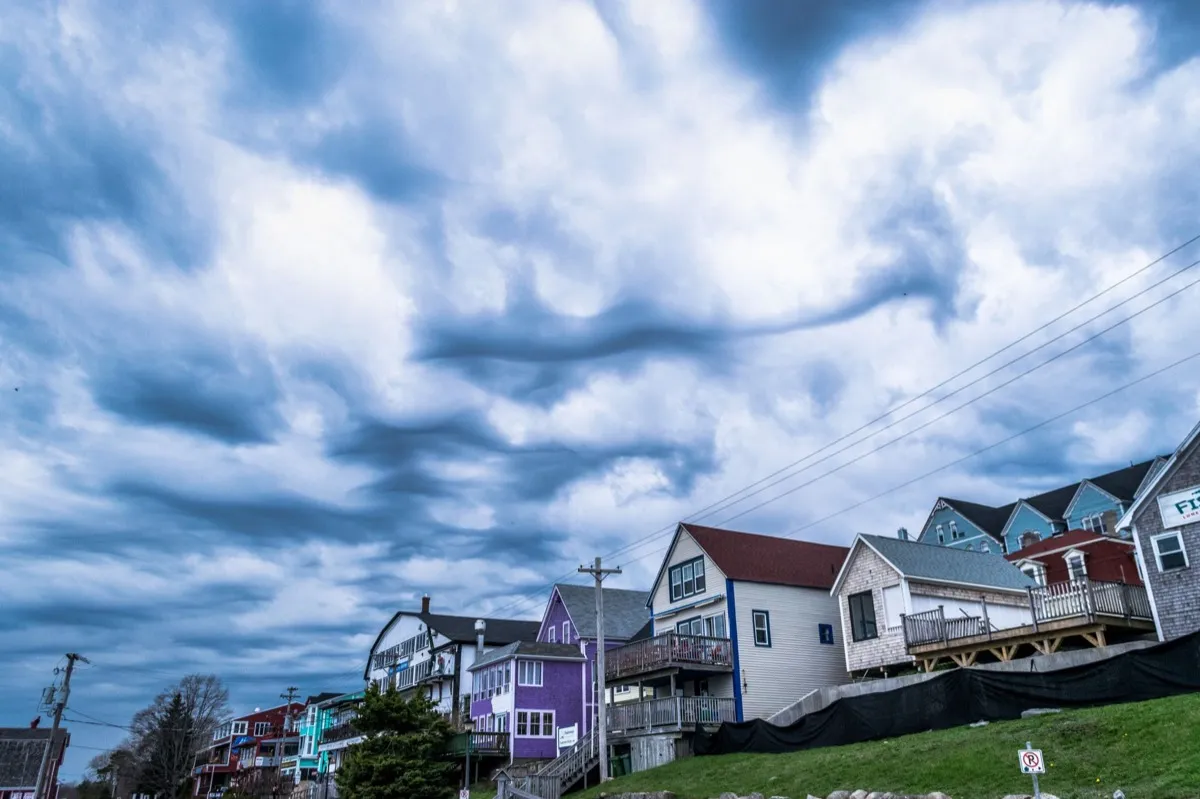
Storm Damage Repair
A Vallejo storm rarely takes a roof off. It runs water at the same seven transitions for two days without stopping until one of them gives.
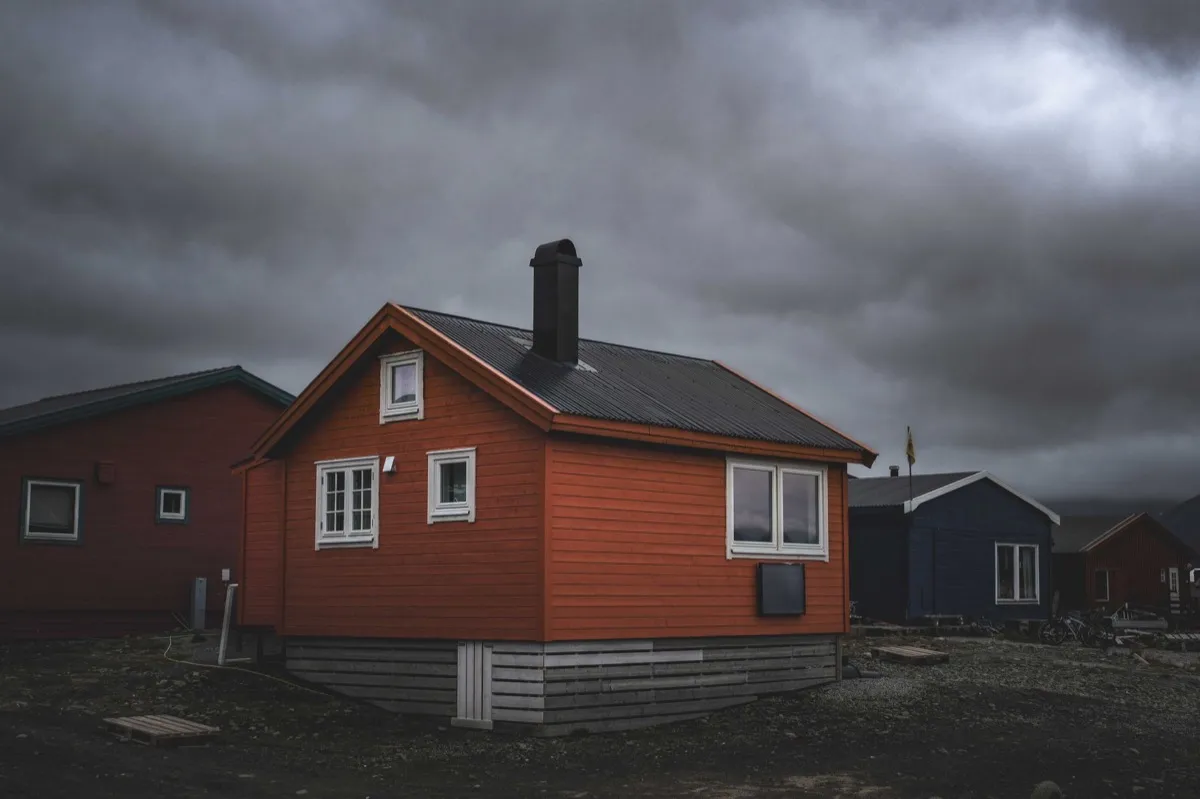
Hail Damage Assessment
Vallejo gets hail, but small and infrequent: pea-size out of a winter cell, not the stones that strip roofs on the plains. Which means most of what gets called hail damage here is something else, and we say so before anyone files anything.
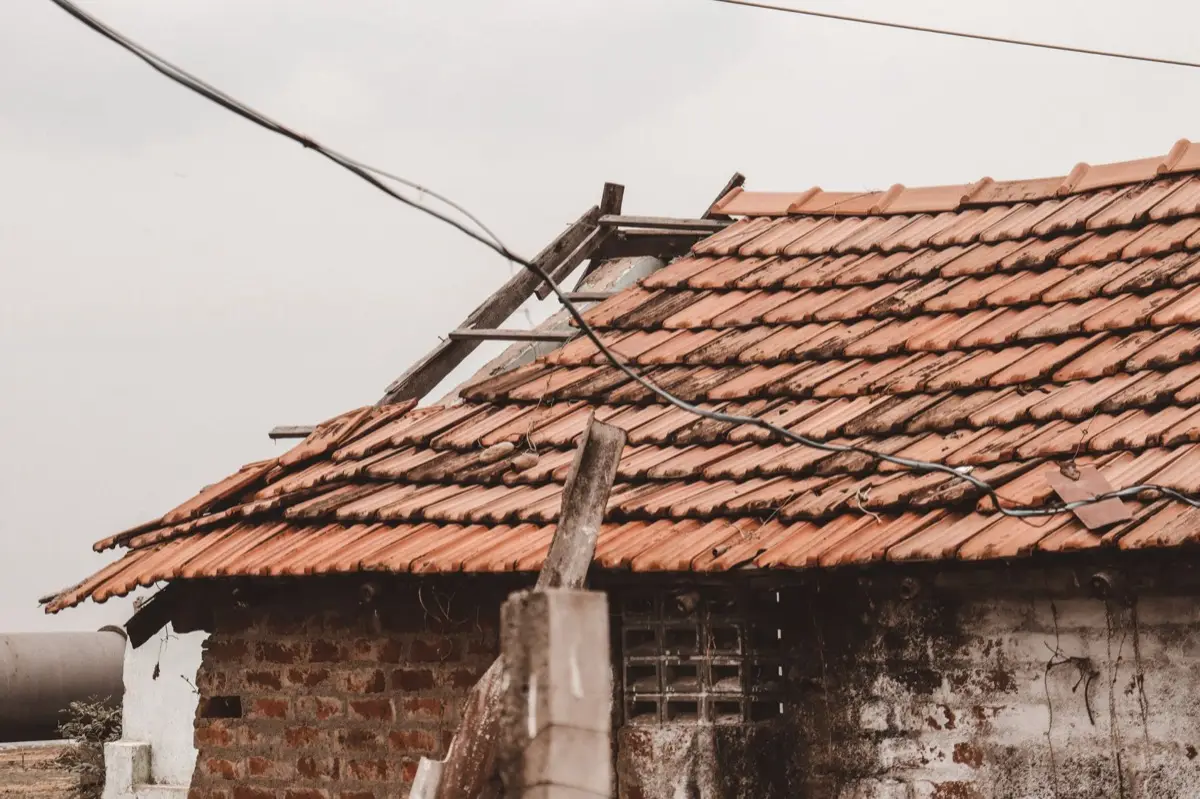
Wind Damage Repair
On a house with seven roof planes, wind does not act on one big surface. It separates at every change of plane, so damage turns up along hip lines, at dormer corners, and on ridge caps: the same edges that were hand-cut and face-nailed by whoever was last up there.
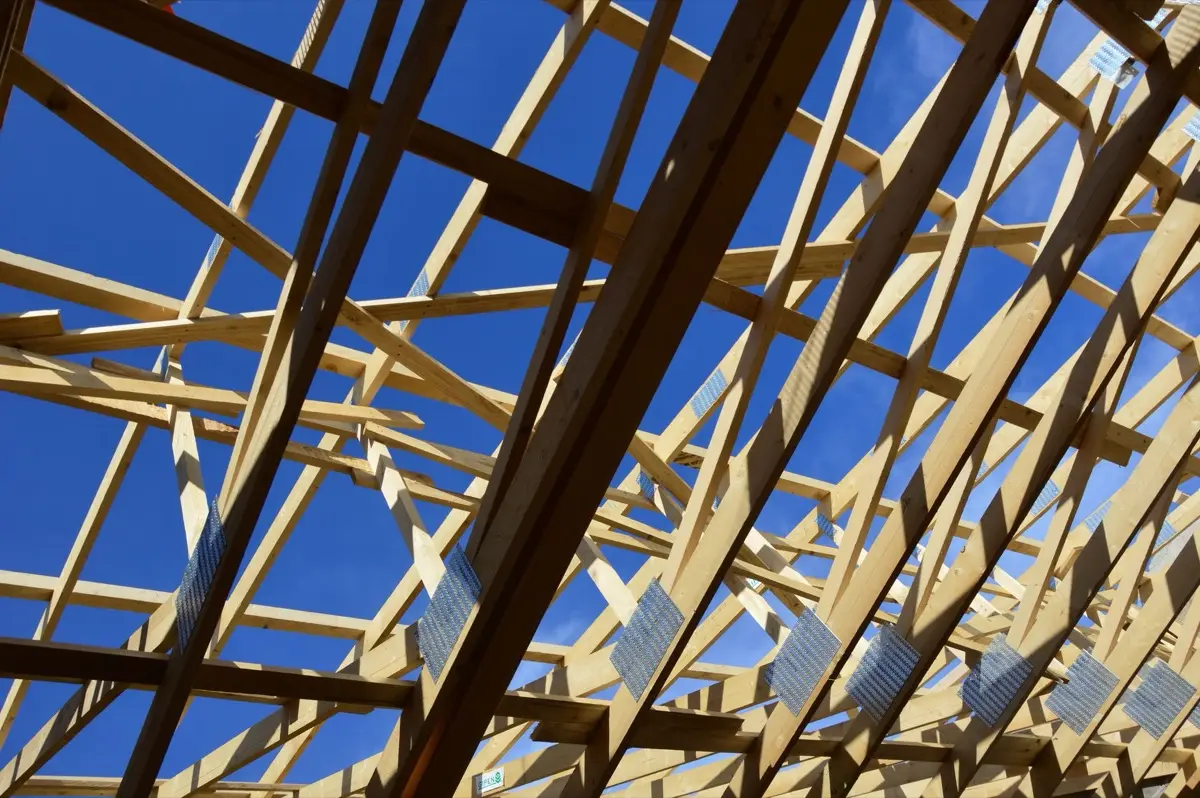
Roof Inspections & Condition Reports
An inspection on a 1905 house takes about twice as long as one on a postwar ranch, because there is roughly twice as much detail per square of roof. We price inspections by planes and transitions rather than by square footage, and we say how long we will be there.
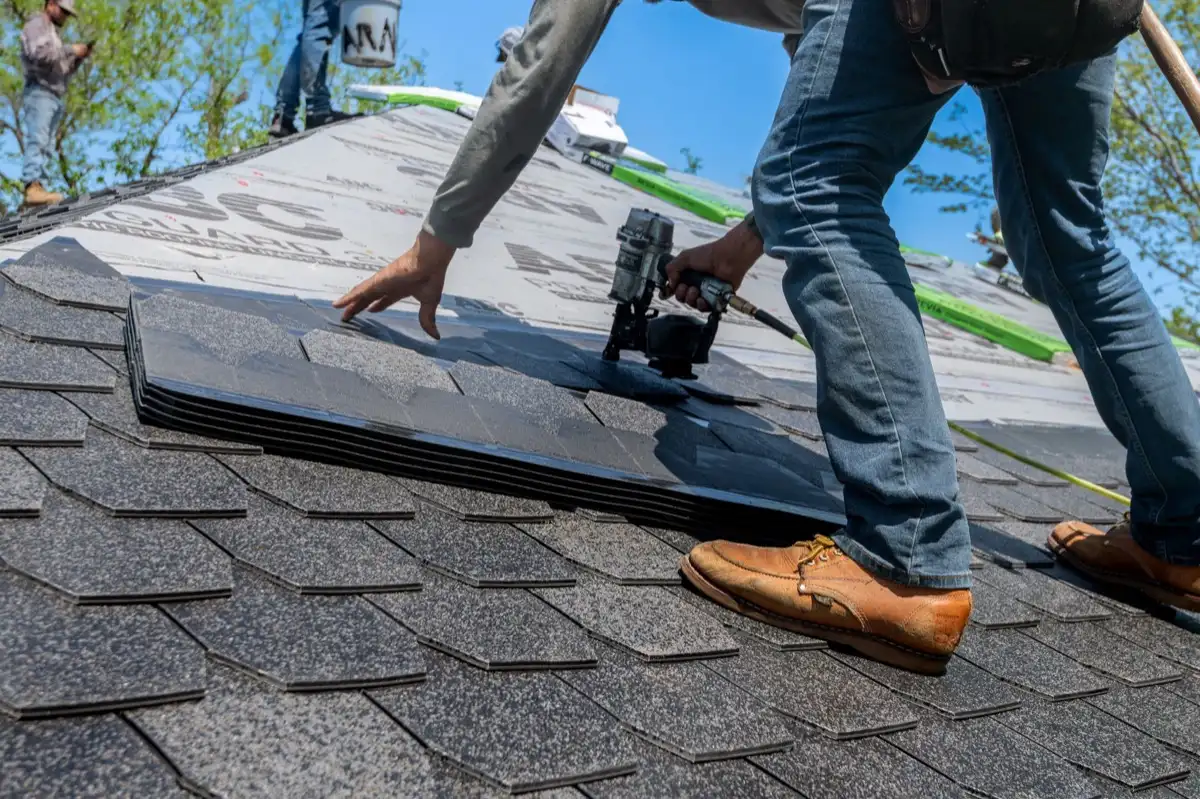
Asphalt Shingle Roofing
Asphalt is the right answer on most Vallejo houses, and the reason is weight. Architectural laminate runs around two hundred and fifty pounds a square.
Standing Seam & Metal Roofing
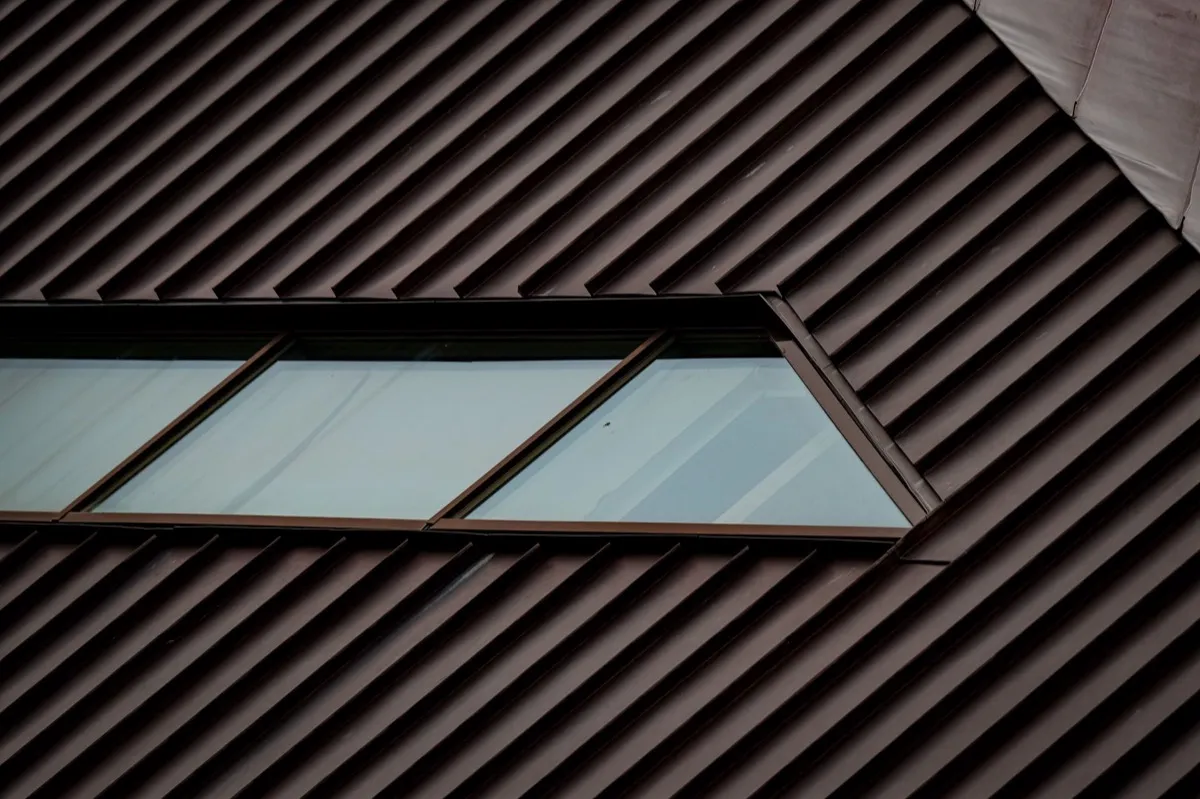
Metal earns its price on Vallejo's steep planes, where nobody will ever walk again and where a twelve-in-twelve pitch sheds anything that lands on it. It is a harder sell on the low-slope rear additions behind those houses, and we price the two separately rather than as one roof.
Tile Roofing & Tile Repair
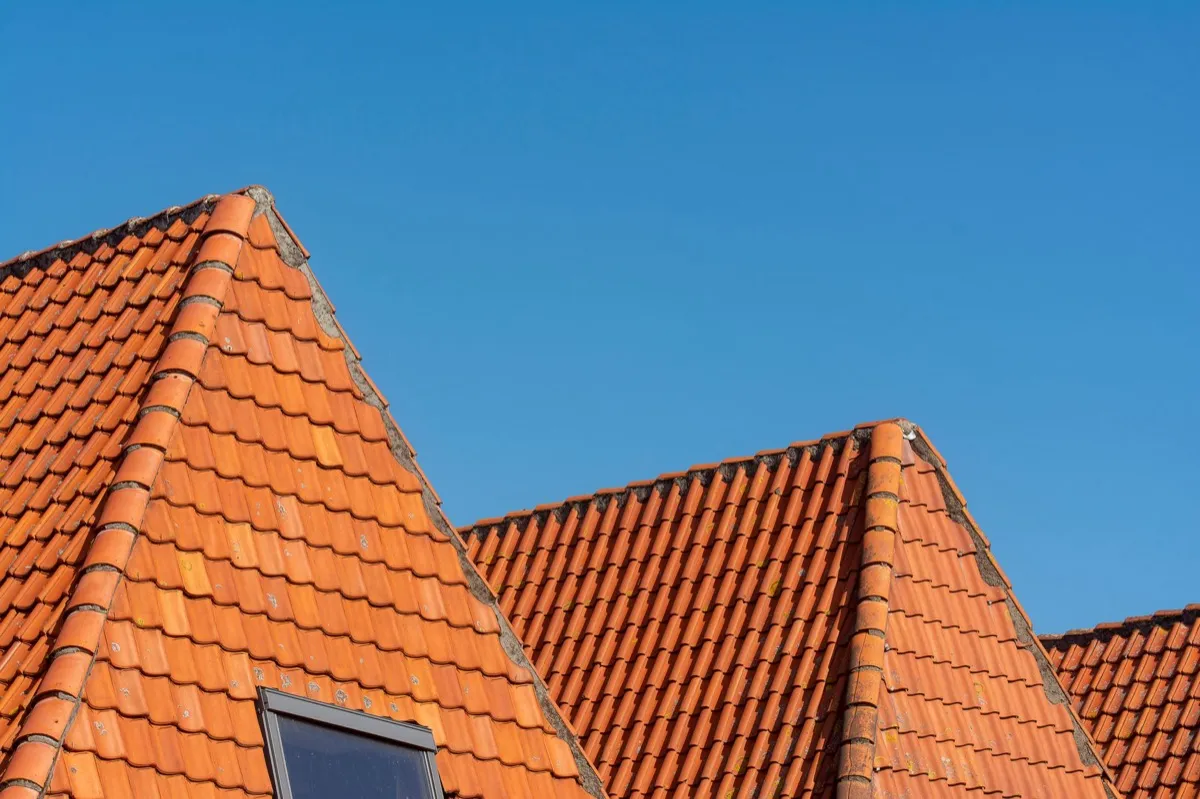
This is the page where we usually talk people out of something. Concrete tile weighs nine hundred to eleven hundred pounds a square.
Flat & Low-Slope Roofing
On Vallejo's old houses the low-slope roof is almost never the whole house. It is a rear addition, a porch, or a flat area tucked behind a dormer, and the failure is nearly always at the point where it ties into the steep original roof.
Roof Coatings & Sealing
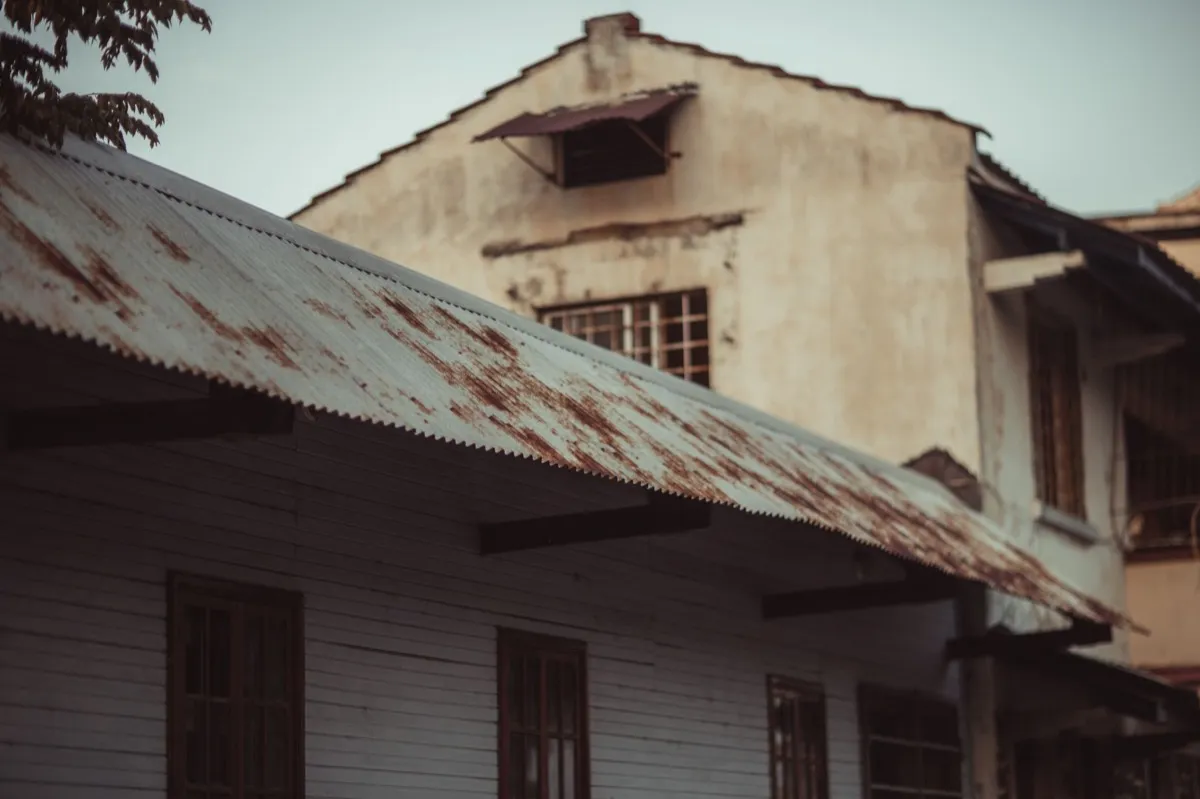
Coatings work on low-slope metal and on sound single-ply membrane. They do not work on a steep asphalt shingle roof, and most of the calls we get about coating are the second kind.
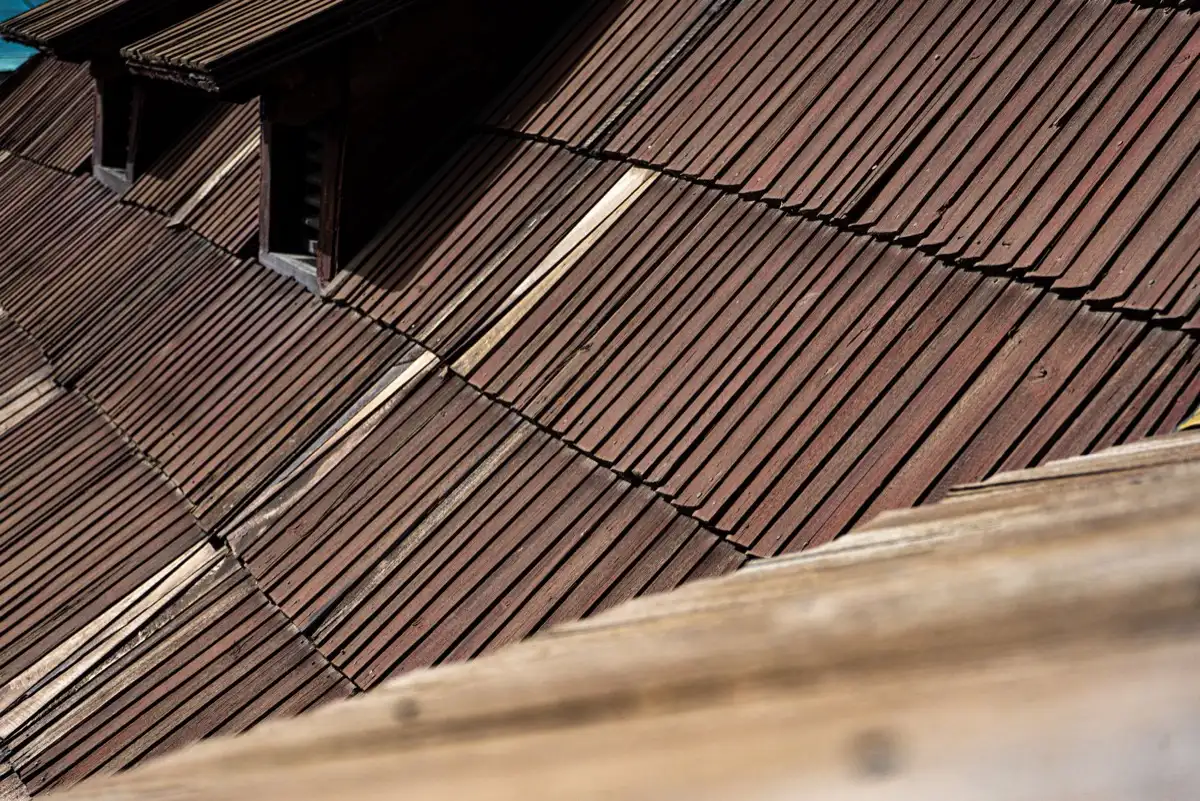
Attic & Roof Ventilation
The venting problem on Vallejo's old houses is not exhaust, it is intake. Boxed cornices have no soffit vents and never did, so a ridge vent cut into that kind of roof draws its air from inside the house instead of from outside it.
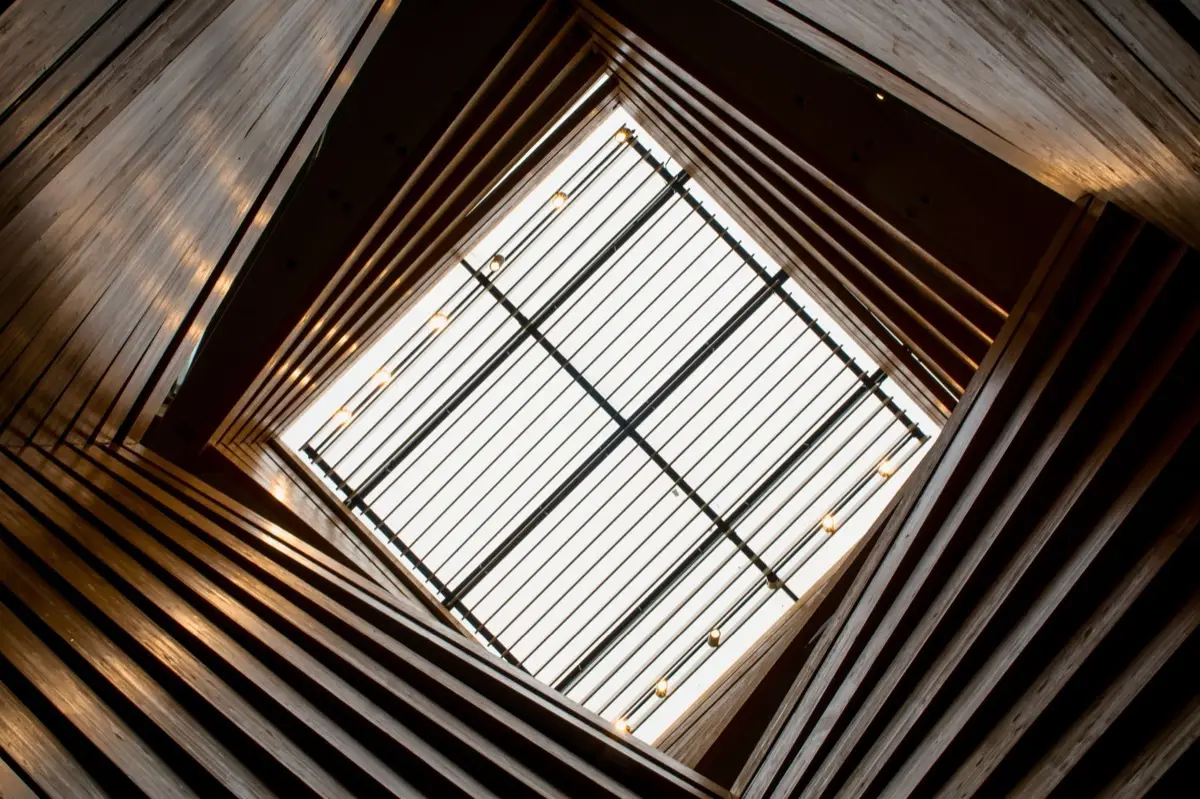
Skylights & Roof Windows
A skylight in a steep Vallejo roof is mostly a shaft job. The plane sits at ten or twelve in twelve, the ceiling below is plaster over a knee wall or a cathedral, and the light has to travel through framing nobody ever drew a hole into.
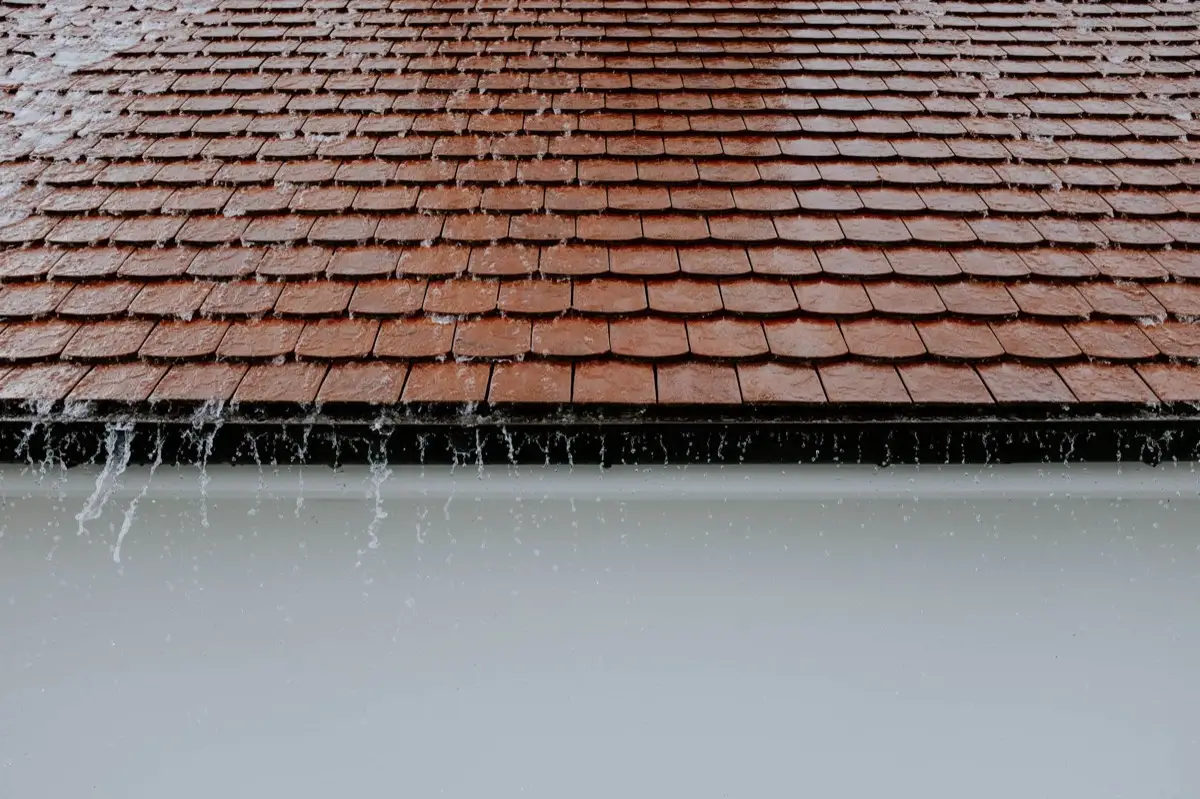
Gutters & Downspouts
Gutters on Vallejo's old houses come in two kinds: hung metal added later, and the trough built into a boxed cornice that the house was designed with. They fail differently, they are diagnosed differently, and they cost very differently to put right.
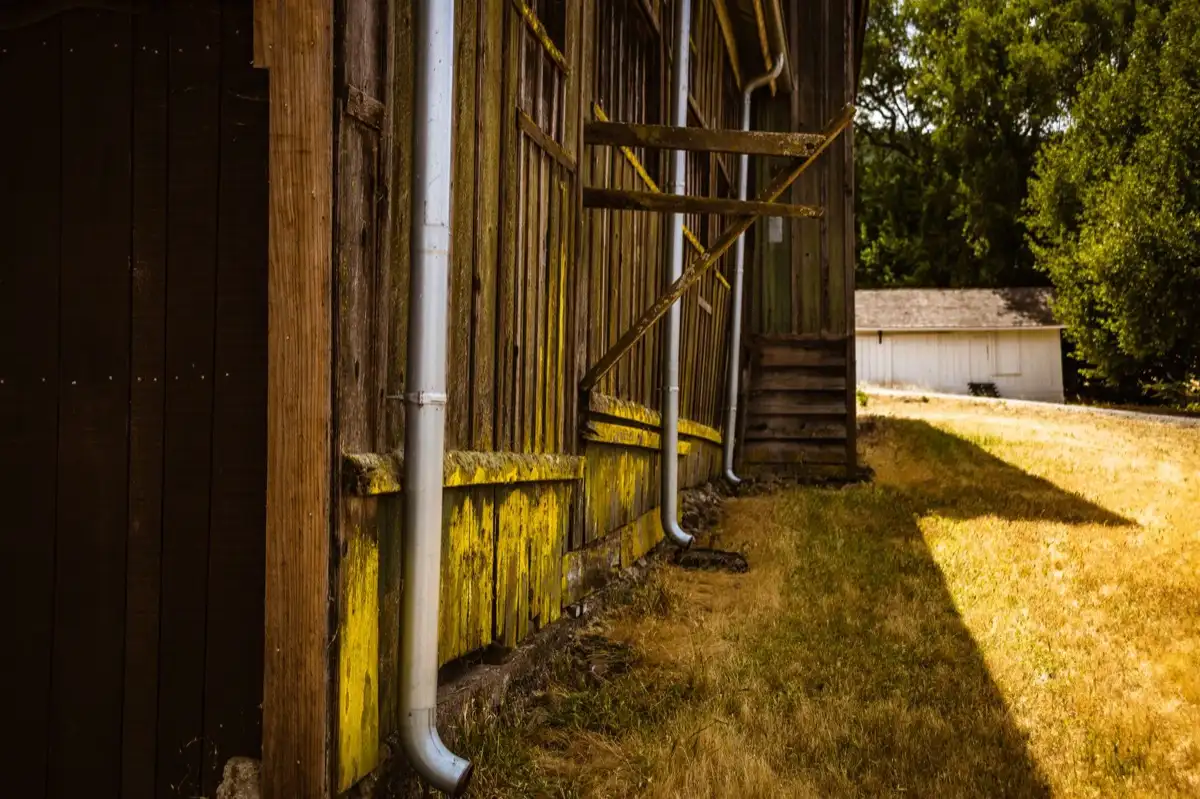
Fascia, Soffit & Cornice Repair
Fascia and cornice work is most of the visible carpentry on an old Vallejo house, and it is where deferred roof maintenance surfaces first. Water that ran behind a gutter for five winters rots the fascia, then the cornice returns, then the tails of the rafters themselves.
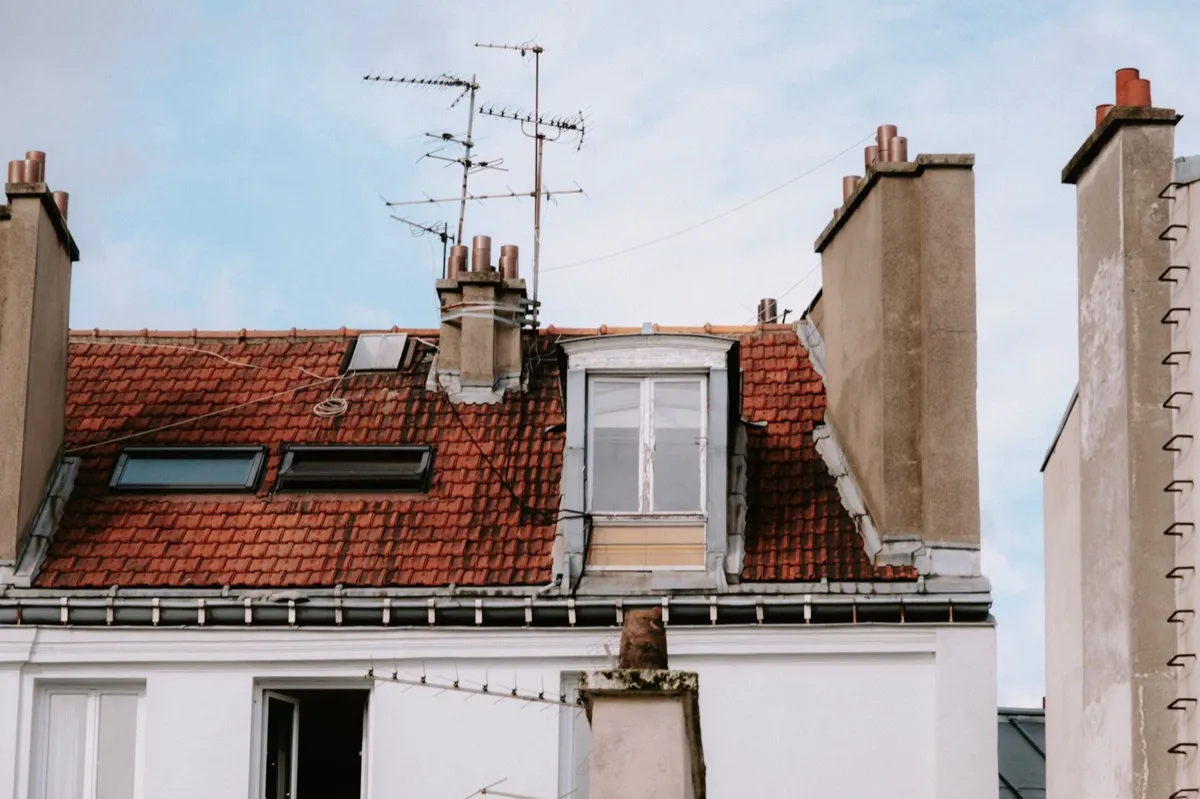
Chimney Flashing & Masonry
Chimney flashing is the single most common leak source on Vallejo's old housing stock, and the reason is simple. Almost none of these chimneys were flashed the way they need to be, with counter flashing cut into the brick rather than caulked against the face of it.
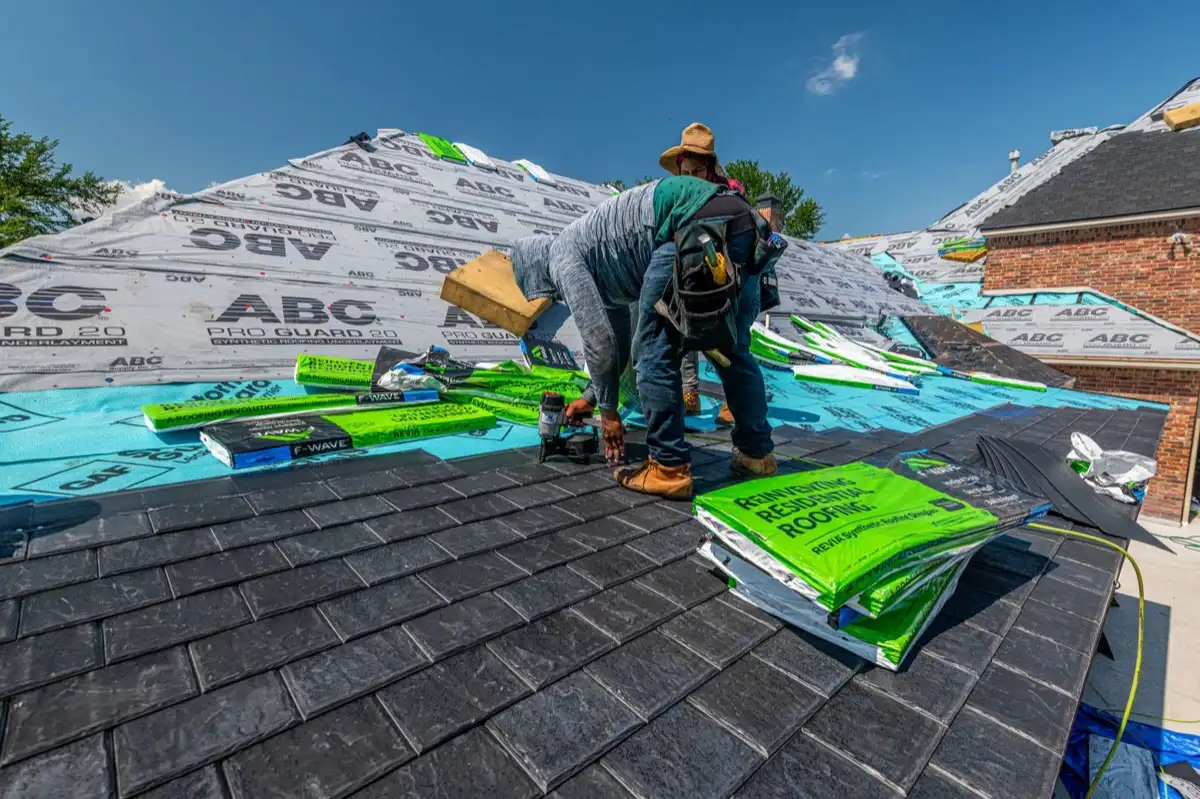
Emergency Tarping & Roof Stabilization
A tarp on a twelve-in-twelve roof cannot be held down with sandbags or old tires. It has to be mechanically battened, carried over the ridge, and fastened into sound framing, or the first real gust turns it into a sail and the hole it was covering gets bigger.
Commercial & Multifamily Roofing
Vallejo's commercial stock reads like its housing. Brick storefront blocks with low-slope roofs hidden behind parapets, plus larger industrial buildings with long spans.
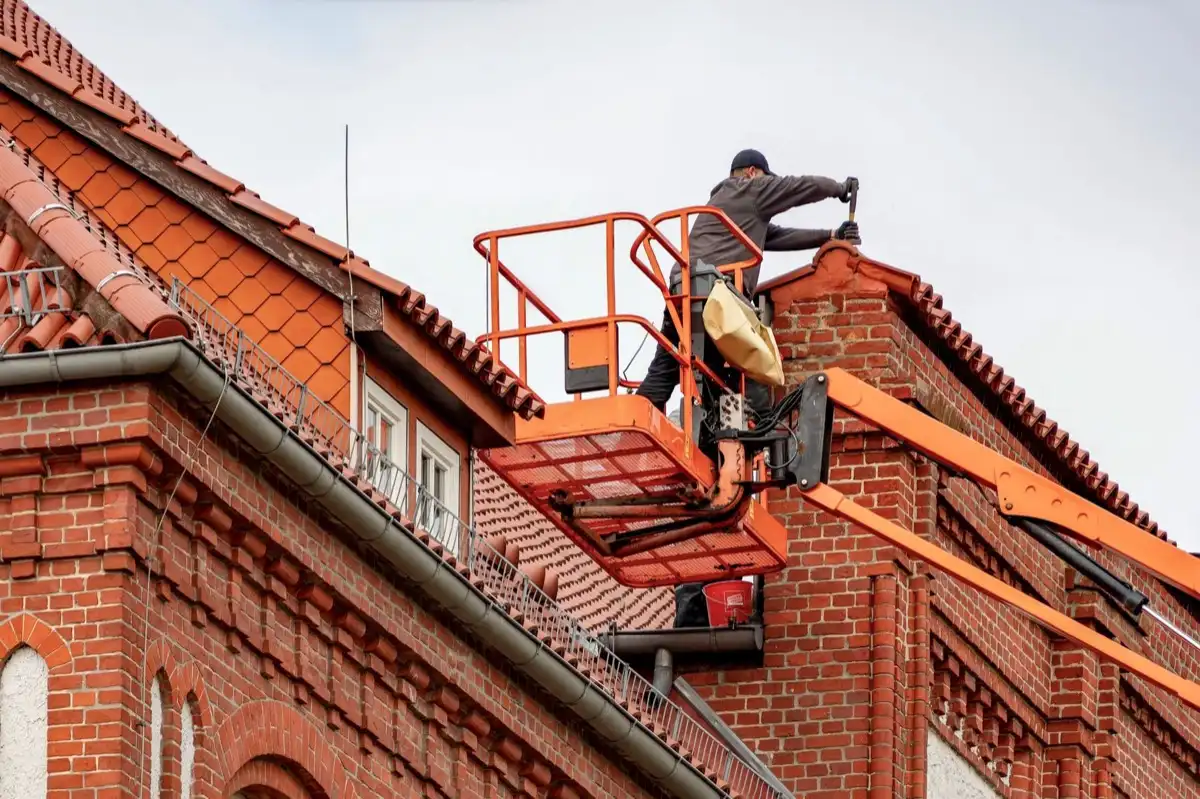
Insurance Claim Documentation
We are roofers, not adjusters. What we can do on a claim is document damage properly, write a scope in the format carriers price work from, and be on the roof when the adjuster walks it.
Why Vallejo Chooses Vallejo Roof Pros
- ✓We price by planes and transitions, because that is what an old Vallejo roof actually costs to do.
- ✓Skip sheathing gets sheeted over in half-inch plywood, not shimmed and hoped over.
- ✓Open W-valley metal in twenty-four-gauge as standard, not closed-cut shingle valleys.
- ✓Counter flashing cut into the mortar joint on every chimney, and a framed cricket where one is needed.
- ✓We photograph the deck and the flashing before covering them, so you see what you paid for.
- ✓We say no to concrete tile on original framing and to coatings over steep shingle roofs.
About Vallejo Roof Pros in Vallejo, CA
Vallejo Roof Pros works on the housing this city actually has. Victorian and early-twentieth-century houses with steep planes, valleys, dormers, boxed cornices and unreinforced brick chimneys, framed in two-by-four rafters over one-by skip sheathing. That stock rewards a crew that knows where it leaks and punishes one that prices it like a tract roof, so our estimates are built plane by plane and transition by transition.
We are licensed and insured in California, we carry workers compensation on every person who goes up a ladder, and we back our work with a written workmanship warranty on top of the manufacturer's material warranty. Our quotes carry unit prices for rotten sheathing instead of allowances, and we photograph the deck before we cover it so you can see what you paid to have fixed.
We are also not the right call for everyone. Want the cheapest number on a pre-1930 roof, and somebody will nail shingles straight onto your skip sheathing for less than we charge to sheet it first. Want concrete tile on original framing with no engineer, or a coating over a steep shingle roof, and we will decline both. If your stain turns out to be plumbing, we will say so and bill an inspection.
Service Areas
Vallejo Roof Pros serves Vallejo, CA and surrounding communities including:
How It Works
Inspection on the Roof and in the Attic
We walk the roof plane by plane and then go into the attic, because the sheathing read from below dates and locates a leak better than anything visible from a ladder. You get photographs of every finding, including the ones we are not proposing to fix yet.
A Scope That Counts Transitions
The quote is itemized by valley, dormer, chimney, sidewall and plane, with a unit price for replacing rotten sheathing rather than a vague allowance. Steep-pitch staging is a separate line, so nothing appears as a surprise once the crew is on site.
Tear-Off, Deck, Then Details
Skip sheathing gets sheeted over in half-inch plywood, then underlayment, then membrane doubled in valleys and run two feet up every wall. Valley metal, step and counter flashing and kickouts go in before the field shingles, which is the only order that works.
Walkthrough, Photographs, Warranty
We magnet-sweep the property, walk the finished roof with you from the ground with photographs of the details now hidden, register the manufacturer warranty in your name, and hand over the written workmanship warranty and the inspection report together.
Recent Projects Across the North Bay
What Vallejo Customers Say
They found the leak in a dead valley behind our addition after two other roofers sold us sealant. Metal pan, done, dry through the whole winter. The attic photos made it obvious what had been wrong.
Quoted our 1908 house plane by plane and explained why the plywood layer was not optional. Nobody else mentioned the skip sheathing at all. Crew was tidy and the valley metal looks better than the old roof ever did.
We wanted concrete tile. They showed us the weight numbers on our rafters and talked us into lightweight instead, which cost them money. Then they did the reroof and the chimney cricket properly.
Cracked tiles and a leak over the garage. They repaired what needed repairing, told us the rest of the field had years left, and charged for a half day. No pressure to replace anything.
Commercial & Multifamily Roofing in Vallejo and Across the North Bay
Vallejo's commercial buildings have the same age profile as its houses. Brick storefront blocks with low-slope fields hidden behind parapets, older apartment buildings with built-up roofs and interior drainage, and larger industrial structures with long spans and metal decks.
On nearly all of them the leaks are at the perimeter rather than in the middle: parapet base flashing, scupper sleeves, the joint where one building's roof meets a neighbor's at a different height, and curbs around equipment that was set down years after the roof went on.
We scope those details first and treat the open field as secondary, because that is where the water actually gets in. For re-covers and replacements we work in sixty-mil TPO over tapered polyisocyanurate, two-ply modified bitumen where parapet height limits added thickness, and EPDM where seam layout is simple.
We take core samples before quoting so the re-cover-versus-tear-off conversation happens before contract rather than as a change order, and property managers get a marked roof plan, registered manufacturer warranty, and a written maintenance schedule.
- ✓Parapet base flashing, counter flashing and scupper sleeve repair
- ✓Sixty-mil TPO and EPDM single-ply re-covers over tapered polyiso
- ✓Two-ply modified bitumen where added thickness is not available
- ✓Core sampling and moisture scans before a re-cover is quoted
- ✓Staged tear-off on occupied retail and multifamily buildings
- ✓Night and weekend scheduling around tenants and air intakes
- ✓Roof plans, warranty registration and written maintenance schedules
- ✓Equipment curb, drain and skylight detailing on flat roofs
Frequently Asked Questions
Why does my 1905 Vallejo house cost more to roof than my neighbor's ranch?
Because you are not buying square footage, you are buying transitions. A postwar ranch of the same area might have two valleys and forty linear feet of flashing.
A Queen Anne with three dormers, a tower and a rear addition can have seven planes and two hundred feet, and every foot of that is hand-cut metal work rather than nailing rows of shingles.
Add steep-pitch staging, hand-carried tear-off because nothing can be slid down a twelve-in-twelve plane, and re-sheeting over skip sheathing, and the two roofs are simply different jobs.
Do I really need plywood over the old skip sheathing?
On a pre-1930 roof, yes. Those one-by boards were spaced roughly two inches apart so wood shingles could breathe and be nailed into the gaps. Asphalt shingles need continuous support: without it a share of your nails land in air, the courses telegraph every gap within about five years, and the wind rating on the packet no longer applies.
Half-inch plywood over the top solves all three and gives new fasteners real holding power. If a quote for an old house has no line for it, ask what the plan is.
Can I put concrete tile on a Victorian here?
Usually not without structural work, and we will normally advise against it. Concrete tile weighs nine hundred to eleven hundred pounds a square against roughly two hundred for the wood shingle your framing was sized for. On a twenty-five-square roof that is about ten extra tons landing on two-by-four rafters at two-foot spacing.
The honest route is a structural engineer first, then rafter sistering or a purlin scheme, then tile. Or lightweight concrete tile at around six hundred pounds, or a stamped steel tile profile at about a hundred and fifty, which gives the shadow line without the load.
How long should a roof last in Vallejo?
The climate here is kind to asphalt. Moderate ultraviolet exposure, almost no freeze-thaw cycling, and no hail season to speak of, so a decent architectural shingle field commonly reaches the back end of its stated range.
What ages faster than the field is everything at the transitions: valley metal, chimney flashing, and the sealant somebody put where flashing should have gone. On the complex roofs in this city, planning to service the transitions twice during a roof's life is more useful than watching the calendar on the shingles.
My insurer is asking about my roof age and my attic vents. What are they looking for?
Two things. Age, because many California carriers now apply a schedule that pays depreciated actual cash value rather than replacement cost on older assemblies, and some decline to renew at all. And in wildland-adjacent areas, whether the roof is a class A assembly and whether attic vents are the ember-resistant type with a flame-and-ember baffle.
We note both in our inspection reports. If you are near open hillside, the vents are usually the cheaper of the two items to put right and the one that gets asked about first.
My ceiling is stained but the roof looks fine. What now?
That is the normal case on this housing stock, and the roof often is fine. The stain is downhill of the actual entry point, sometimes by several feet, because water tracks along a rafter before it finds the plaster.
It can also be condensation from an attic with exhaust venting and no intake, a chimney crown wicking water down the flue, or a failed shower pan on the floor above. We start in the attic, then hose-test the roof in stages from the bottom up.
Sometimes the answer is that you need a plumber, and we will tell you that.